

Your Partner in Innovation
A core part of JSNN’s mission is to strategically partner with business to create high-impact research outcomes. As a catalyst for economic development in the Southeast region and beyond, JSNN offers industry partners affordable access to one of the largest cutting-edge suites of research and fabrication facilities and toolsets, and the opportunity to tap into the unparalleled knowledge base of multiple internationally renowned research universities.
A number of global businesses have joined JSNN to research and create innovations in materials, products and processes. Together, we’re creating more than just economic impact—we’re helping make real change that’s making the world a better place. Let’s explore ways to combine our expertise with your vision, and create a dynamic partnership that can take your business to the next level.
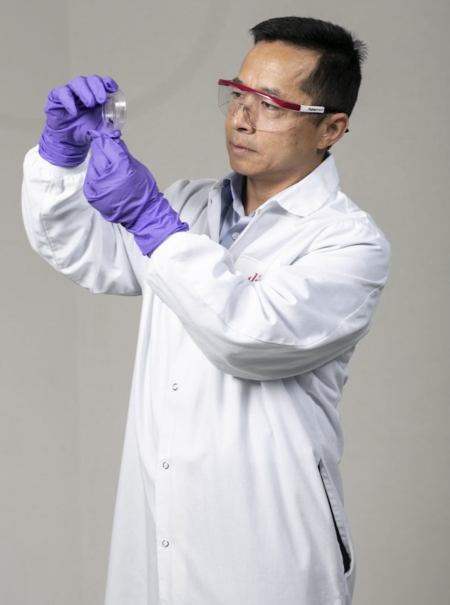
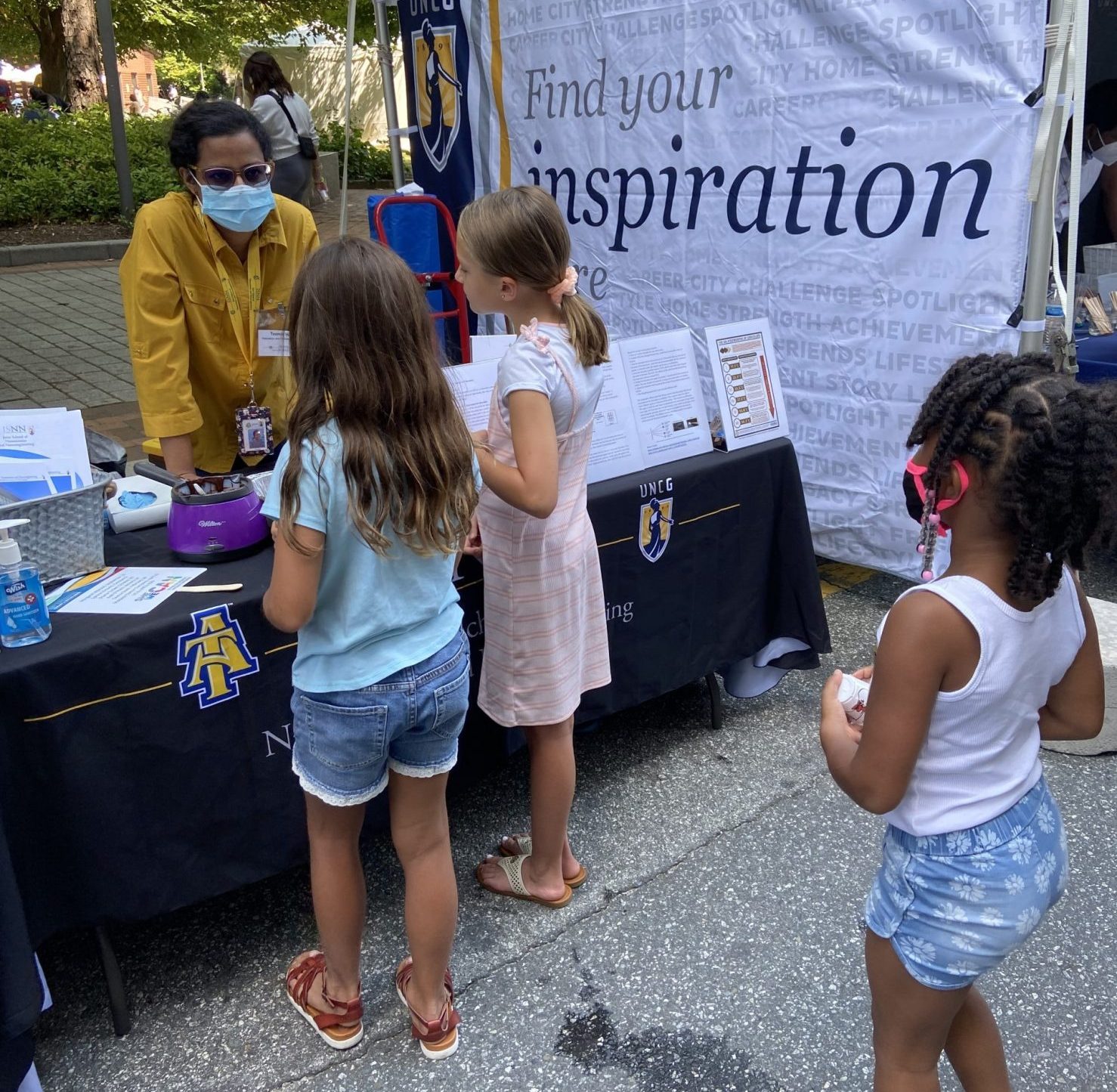
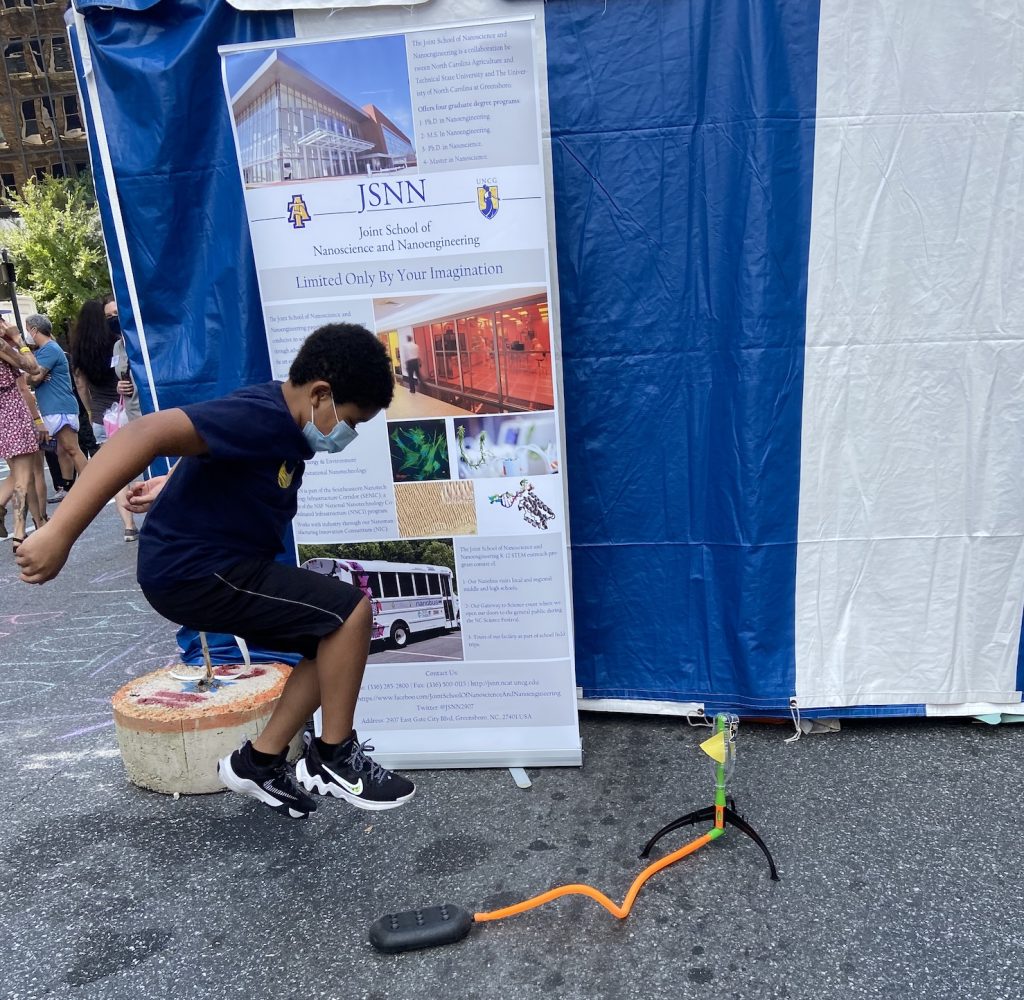
Rise to Nano:
K-12 and Community Outreach
JSNN, its collaborators, and partners are addressing some of the most critical issues, problems, and opportunities facing our society. Our success depends on a constant influx of bright young minds. Raising interest in and creating excitement about science, technology, engineering, and mathematics (STEM) is critical if the United States is to continue to be a world leader in science and technology.
JSNN is dedicated to supporting schools and encouraging young students to focus on areas aligned with STEM through Rise to Nano. We’re especially engaged in educating young people about the interesting and exciting career opportunities in STEM-related fields involving nanoscience and nanoengineering. For our region, state, and nation to prosper, we must be at the forefront of the development of these new technologies. We’re committed to playing a lead role in the efforts to ignite passion for STEM in our youth.
JSNN works with Piedmont Triad schools on STEM initiatives and other outreach projects. Faculty and students of JSNN are available to present in science and mathematics classes, discuss the relevance of nanoscience and nanoengineering in our daily lives, demystify nanoscience, and most importantly, engage, excite, and inspire the Triad’s future scientists and leaders!
Our Rise to Nano team makes visits to schools and community events each semester, where our graduate students demonstrate and explain scientific experiments to the students.
JSNN’s facilities are open to school field trips and visits. Our state-of-the-art research facilities, laboratories, and equipment are available for students to experience firsthand and engage their imagination. Nanoscience and nanoengineering are exciting, innovative, fast-growing fields, and we’re excited to share all the possibilities with the next generations of scientists, innovators, and educators.
COMMUNITY COLLEGES
The mission of JSNN is to train students to conduct basic and applied research in nanoscience and nanoengineering and to work closely with the Piedmont Triad community to help enhance opportunities for economic development.
As part of its academic outreach and workforce training efforts, JSNN’s internship program recruits students from local community colleges, including Guilford Technical Community College, Forsyth Technical Community College, and Alamance Community College. Students work with JSNN on a variety of real-world nanotechnology problems.
JSNN’s internship program is offered in two formats—10 hours per week for 16 weeks, or 20 hours per week for 8 weeks—to accommodate class schedules. JSNN hosts groups of students from GTCC and FTCC during the Fall and Spring semesters as part of its commitment to creating jobs.
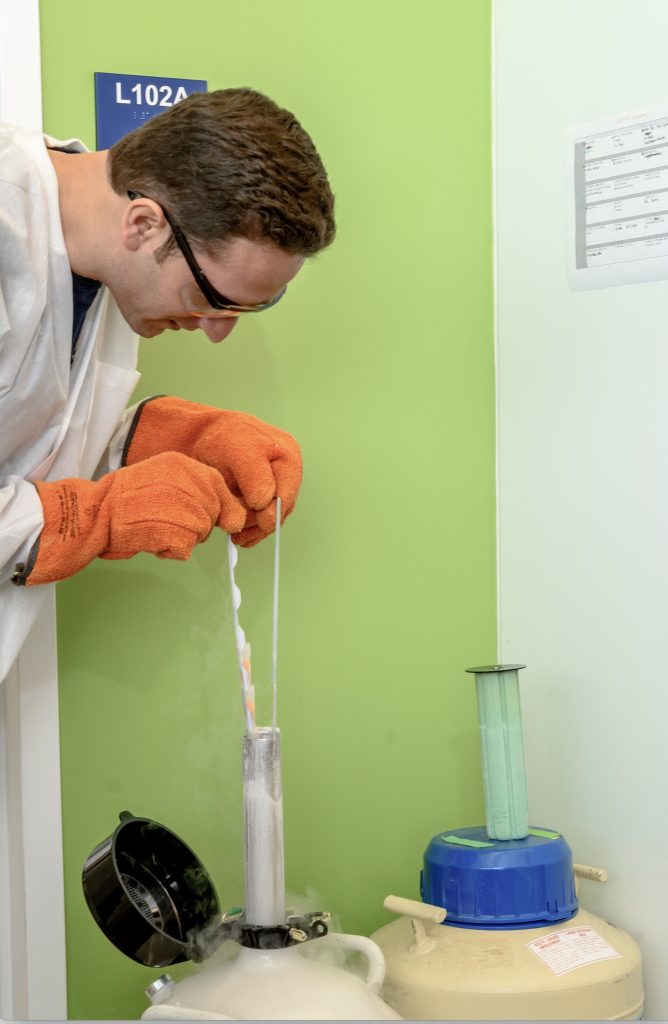
In partnership with the Institute for Electronics and Nanotechnology at the Georgia Institute of Technology, JSNN created the Southeastern Nanotechnology Infrastructure Corridor (SENIC). SENIC provides open access to leading-edge fabrication and characterization tools, instrumentation, and staff expertise within all disciplines of nanoscale science, engineering, and technology. Access and training promote a culture of open access to foster research, education, and outreach in various fields. SENIC’s vision is to strengthen and accelerate discoveries in science and engineering across the US, allow technology-based innovations to reach the market quicker, and provide education, outreach, and SEI programs in nanotechnology with a focus on the southeastern US. For more information on the NNCI program, please visit Southeastern Nanotechnology Infrastructure Corridor.
SENIC is one of the national sites of the National Science Foundation (NSF) National Nanotechnology Coordinated Infrastructure (NNCI) program. NNCI is an NSF-funded network of 16 academic nanofabrication and characterization sites and their partners, formed to advance research in nanoscale science, engineering, and technology. Since the core mission of the NSF NNCI program is to create an open national user facility network, JSNN welcomes users from other academic and non-academic institutions to become users of JSNN facilities. For more information on the NNCI program, please visit www.nnci.net.
Since JSNN and SENIC are supported by NSF through the NNCI program, this support should be acknowledged in publications and presentations resulting from work done in whole or in part at the JSNN facilities or by using other JSNN resources. The suggested acknowledgement may read: “This work was performed in whole/part at the Joint School of Nanoscience and Nanoengineering, a member of the National Nanotechnology Coordinated Infrastructure (NNCI), which is supported by the National Science Foundation (Grant ECCS-2025462).”
In presentations, listing JSNN and/or SENIC along with your other acknowledgements is sufficient. If you wish to use the JSNN and/or SENIC logo, please email us at jsnntools@ncat.uncg.edu.