

Use the buttons to filter cards by category. All categories are shown by default. A clear filters button appears when a category is chosen.
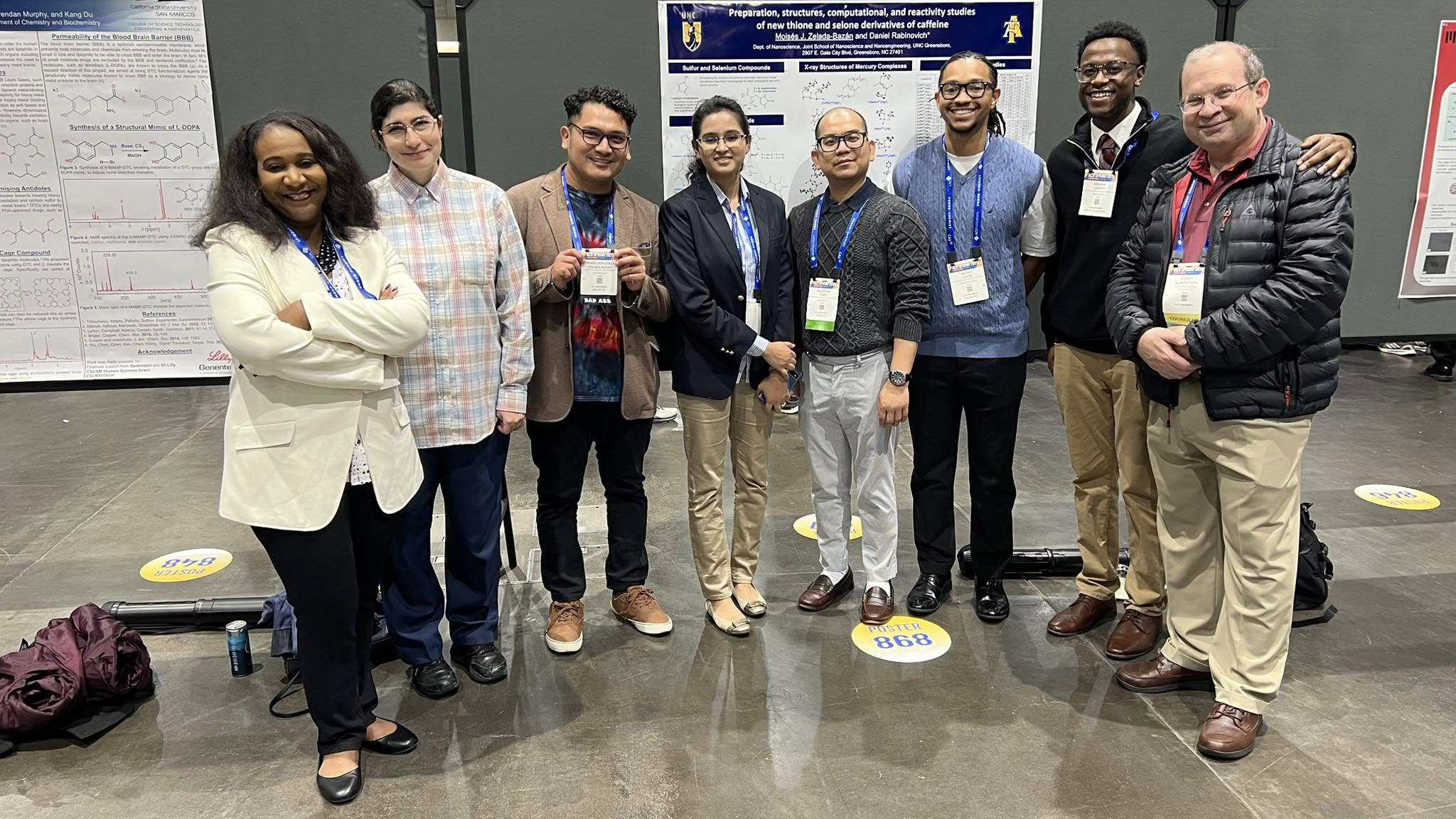
Ahmed Lab
Dr. Suzanne Ahmed
Dr. Ahmed’s research interests are in biomimetic, stimuli-responsive nanoscale, and microscale active matter robotics. These systems have wide-ranging applications in biomedicine, oil recovery, and environmental remediation.
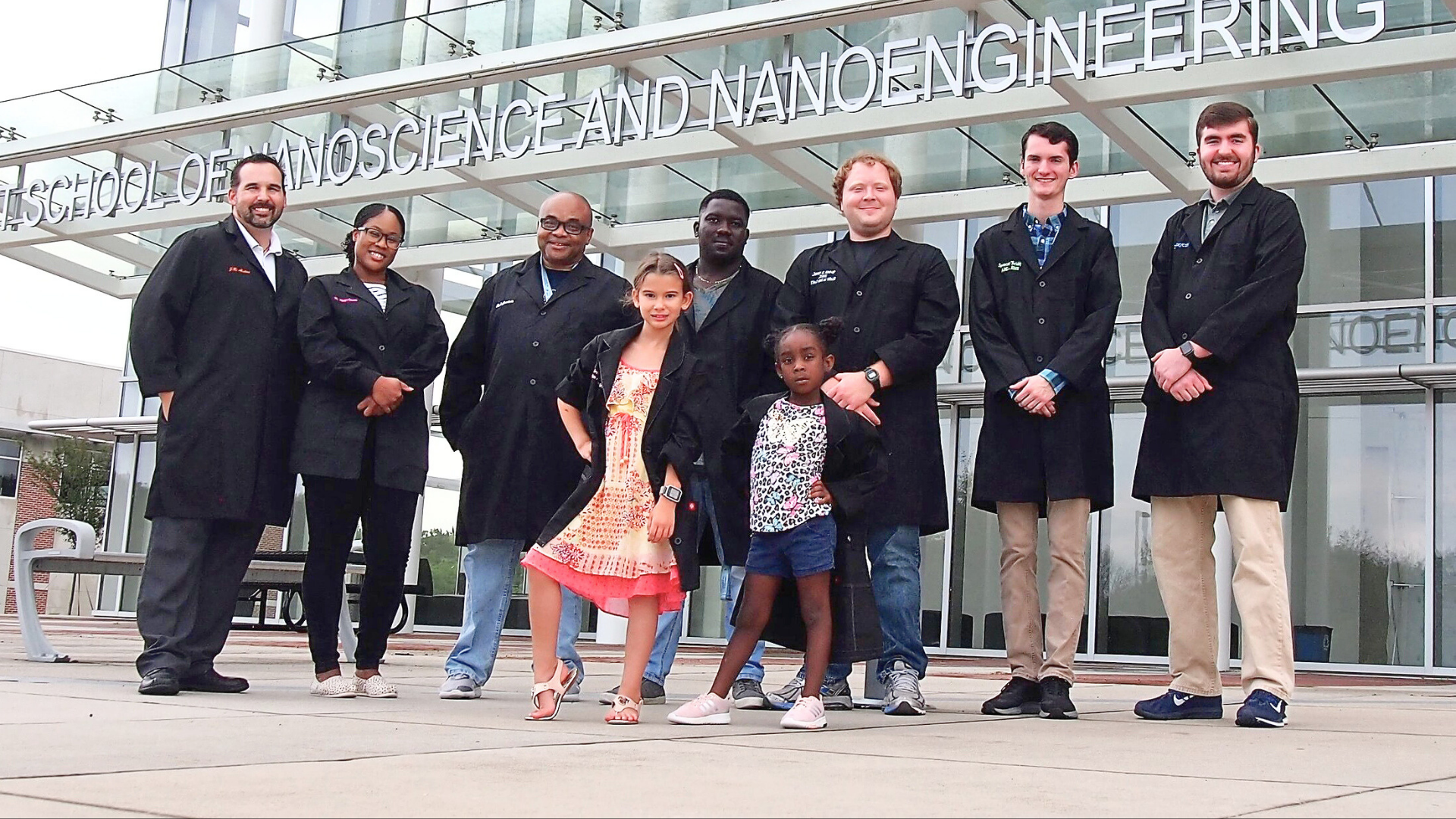
Alston Lab
Dr. Jefferey R. Alston
Dr. Alston’s work explores the fundamental aspects of nanotextured surfaces and interfaces and the engineering application of those concepts in aerospace/propulsion systems. His work with surfaces and nanostructures ranges from designing hierachical structures on metal substrates, forming polymer nanoparticles through manipulation of interfacial tension, and engineering the wettability engineering of surfaces directly exposed to rocket nozzle exhaust.


Dellinger Lab
Dr. Kristen Dellinger
Dr. Dellinger’s research interests lie in the application of engineering and materials to biology and medicine. Her NanoBio Innovation Lab focuses on fabricating novel nanomaterials for various therapeutic and diagnostic needs and developing technologies for live-cell imaging and fundamental research in molecular biology.

Dumas Lab
Dr. Jerald Dumas
The Bioinspired Polymer Engineering Lab (BPEL), led by Dr. Dumas, focuses on polymers/composites for tissue engineering, suitability, and detection.

ICONS
Dr. Kristen Dellinger & Dr. Tetyana Ignatova
The Joint School of Nanoscience and Nanoengineering (JSNN) and the U.S. Army Combat Capabilities Development Command (DEVCOM) Soldier Center have created a one-of-a-kind joint collaborative laboratory titled Innovation Collaborative Laboratory for Nanotechnologies to Empower the Future Soldier (ICONS). The purpose of ICONS is to establish technologies that will protect the soldier through integrated science and engineering. Through ICONS, JSNN faculty and their affiliates, along with their students (graduate and undergraduate) and postdoctoral fellows to work with scientists and engineers from DEVCOM’s Soldier Center and share research facilities to create next generation technologies.

Ignatova LaB
Dr. Tetyana Ignatova
Dr. Ignatova’s research interests and professional training are highly crossed-disciplinary, enabling a broad perspective on nanoscience. Her group works on experimental nanoscience of low dimensional materials, focusing on the physics of biosensing, spectroscopic intra-cellular imaging and nanofabrication for energy storage.
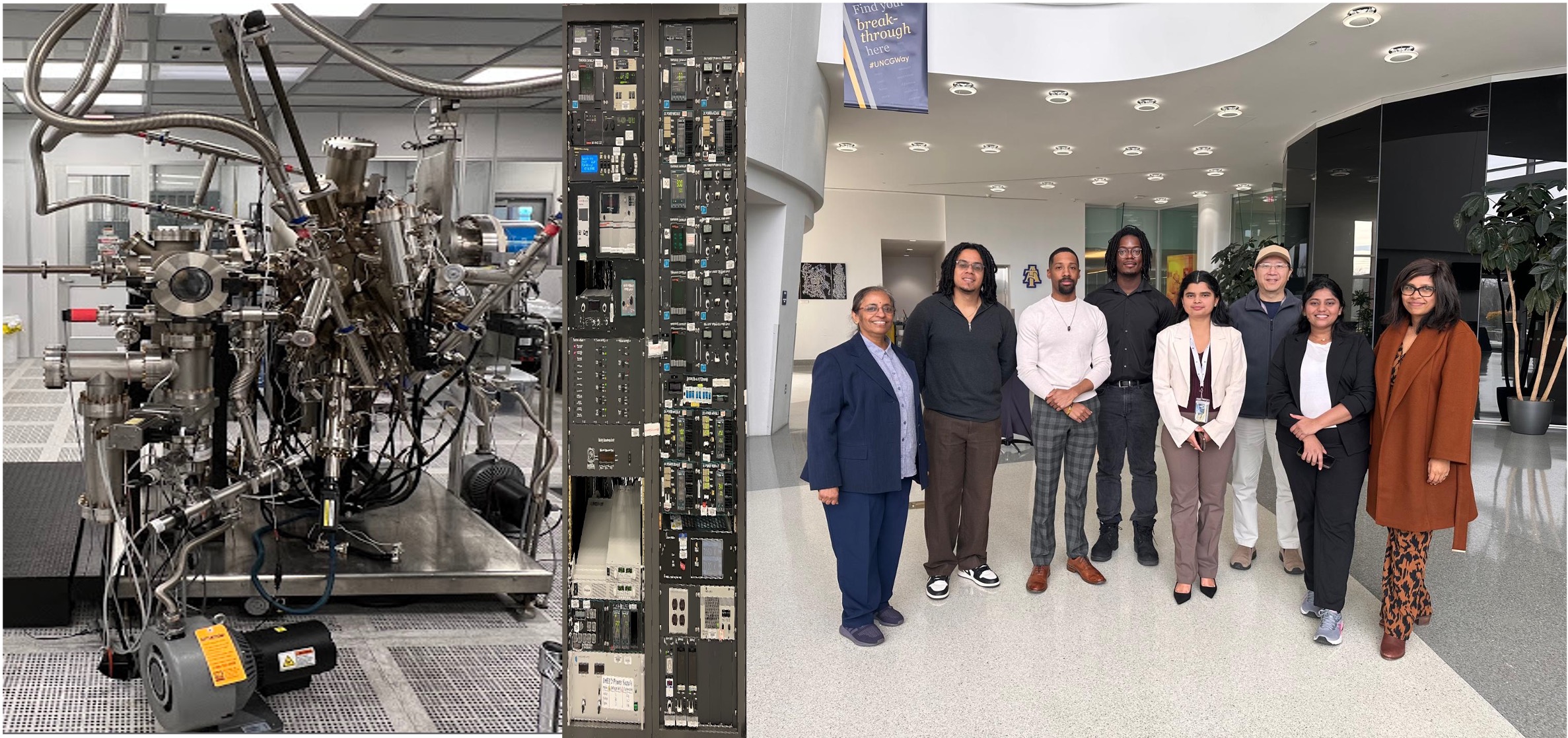
Iyer Lab
Dr. Shanthi Iyer
Dr. Iyer’s current research interests are in molecular beam epitaxial (MBE) growth, characterization, and fabrication of GaAsSb(N) nanowire-based infrared photodetectors epitaxially integrated into Si and graphene next-generation photonic devices. This research is cross-disciplinary, encompassing solid-state physics, nanoengineering, and optoelectronic devices.

LaJeunesse Lab
Dr. Dennis LaJeunesse
LaJeunesse’s research group focuses on biomimetic nanostructured materials and understanding the interactions of living systems with materials at the nanoscale, including the structural and functional properties of biomaterials, mitochondrial morphology, and muscle structure.
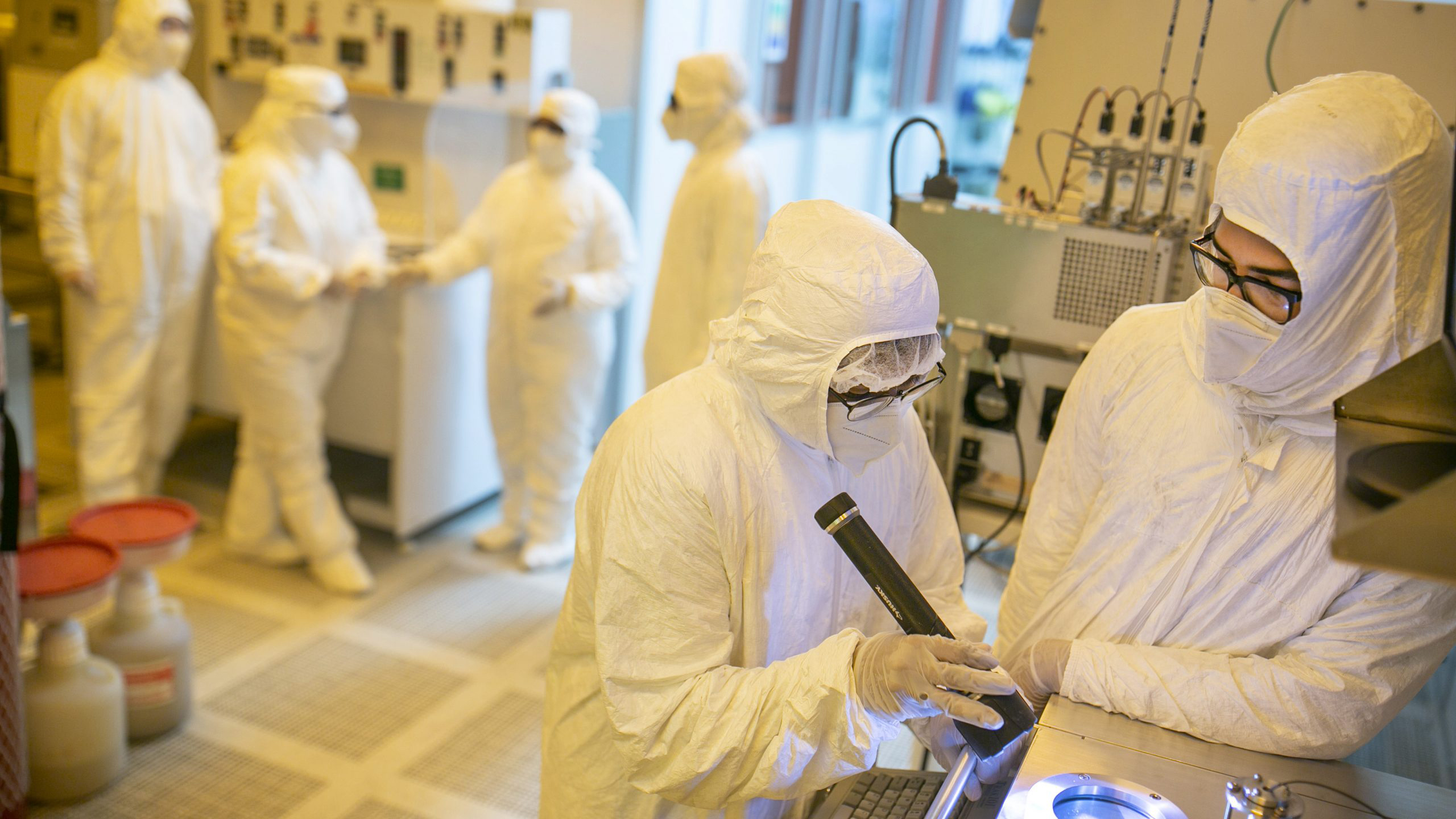
Mo Lab
Dr. Yirong Mo
Dr. Mo’s research focuses on developing novel theoretical and computational methods and their applications to chemical and biological problems. His work focuses on the development of methodology to probe intra- and intermolecular electron transfer (ET) processes in the gas phase or on surfaces, molecular dynamics simulations, engineering of proteins, and the computational study of enzymatic catalysis.

Obare Lab
Dr. Sherine Obare
Dr. Obare’s research focuses on developing novel materials for the detection and remediation of environmental contaminants. She develops materials that are applied to catalysis for biomass conversion and alternative energy. Another area of research deals with chemical sensors and biosensors, and understanding the fate, transport, and toxicity of anthropogenic nanomaterials.
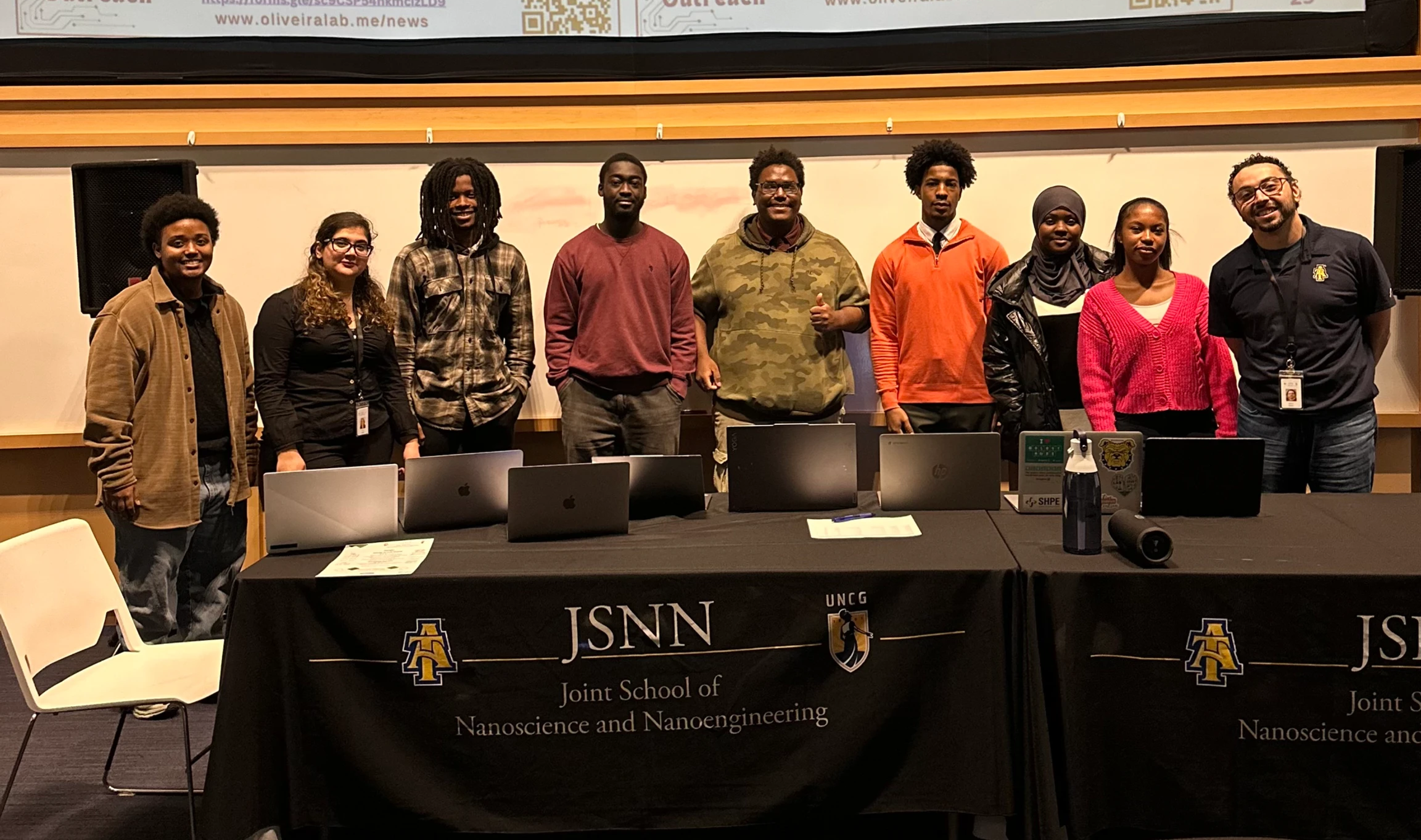
Oliveira Lab
Dr. Samuel Oliveira
The Oliveira Lab investigates the emergence of microbial community complexity and their underlying interactions in varying environmental contexts and studies microbial community design principles and metrics to help build novel collective behaviors. We hope that breakthroughs in computational and synthetic biology methods will accelerate our knowledge of the links between genetic sequences and intercellular communication to study and engineer the spatiotemporal behavior of biological networks.

Rabinovich Lab
Dr. Daniel Rabinovich
Dr. Rabinovich’s research interests are centered on inorganic, bioinorganic, and organometallic chemistry, including the synthesis of single-source molecular precursors to metal chalcogenides and the preparation of silver anticancer drugs.
Rathnayake Lab
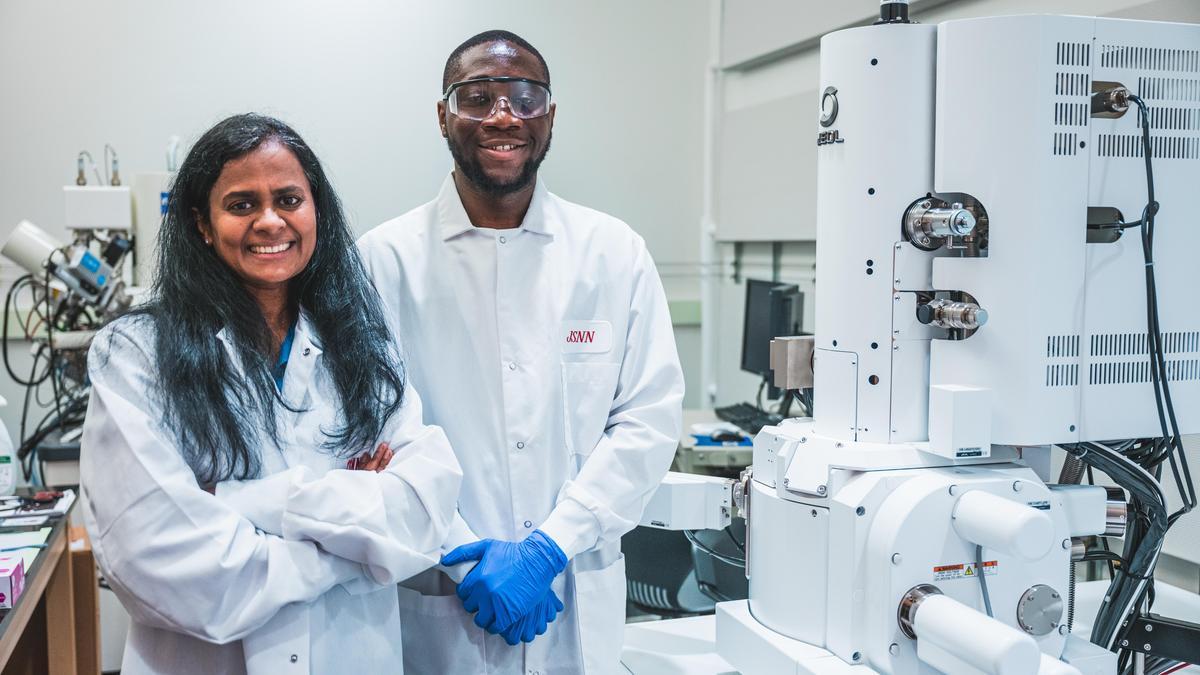
Dr. Hemali Rathnayake
Dr. Rathnayake’s research program focuses on novel materials synthesis and nanoelectronics. Her group, Nanomaterials By Design, develops organic semiconductors and functionalized nanostructures to harvest solar energy for the production of electricity. They also explore the potential utilization of carbon-based polymeric materials for thermoelectric heat recovery from human body heat.

Wei Lab
Dr. Jianjun Wei
Dr. Wei’s research group focuses on fundamental aspects of nanoscale systems that advance electrical, optical, and/or magnetic materials and the applications of biosensors, energy, electrocatalysis, and nanomedicine.
Zadegan Lab
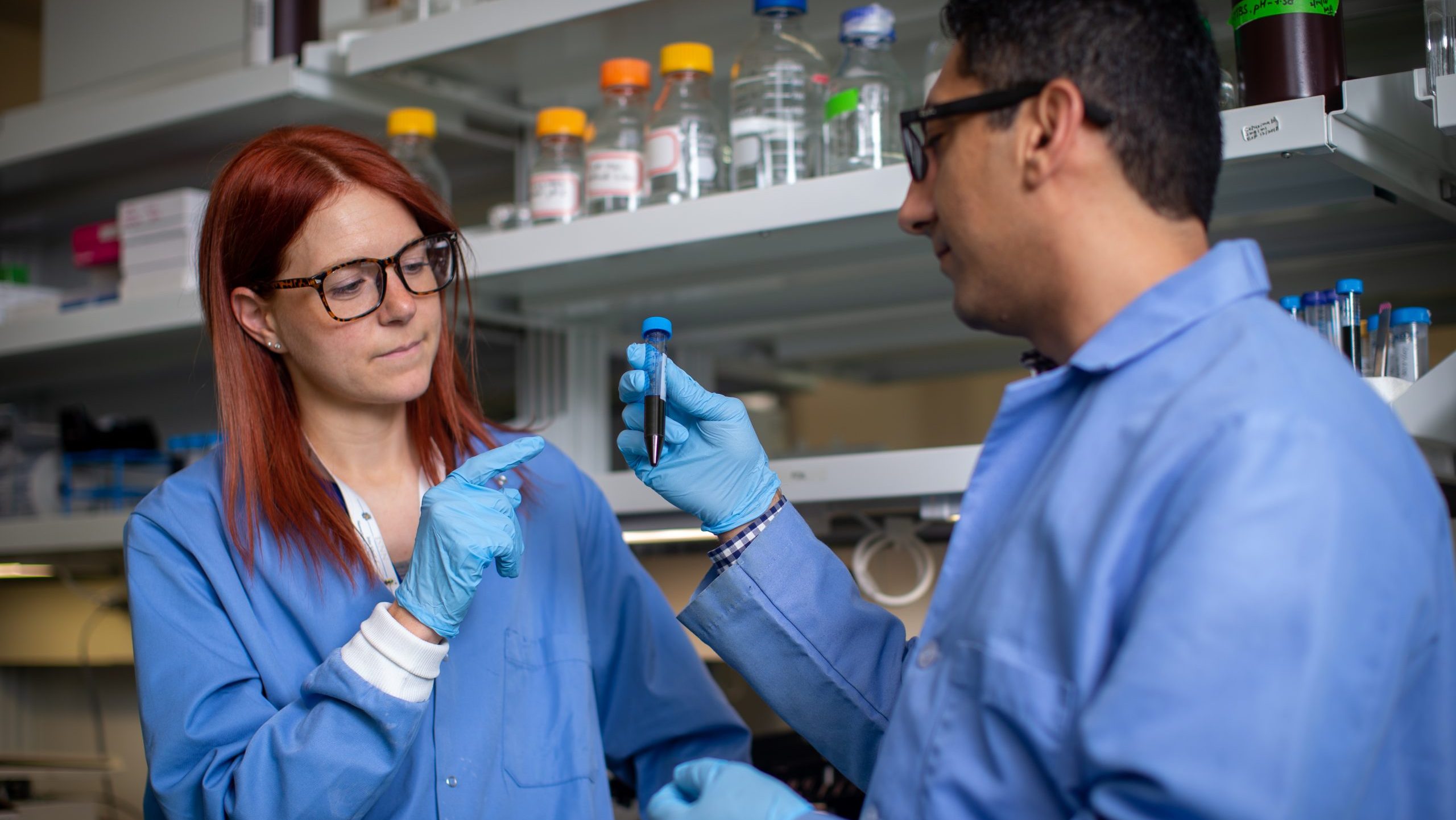
Dr. Reza Zadegan
Dr. Zadegan commits to blurring the lines between disciplines, people, expertise, and socioeconomic status in academia. His research team focuses on the synthesis and characterization of nuclei acid-based materials applicable in personalized medicine, memory, nanoengineering, and bioengineering.

Zhang Lab
Dr. Lifeng Zhang
Dr. Zhang’s work explores engineered materials at nanometer scale, environmental and health impacts of engineered and transformed nanomaterials, two-dimensional nanomaterials for flexible electronics, and functionalized additive manufacturing. Highlighted focuses are water treatment, energy storage, sensors, composite materials, and interface at nanomaterials and microorganisms.